Knowunity · Monetization pod
Monetization strategy after Series B
Knowunity had two goals: more revenue, and a free tier that still works. I ran the experiments that found where the difference actually was.
At a glance
Small, reversible bets that grew revenue.
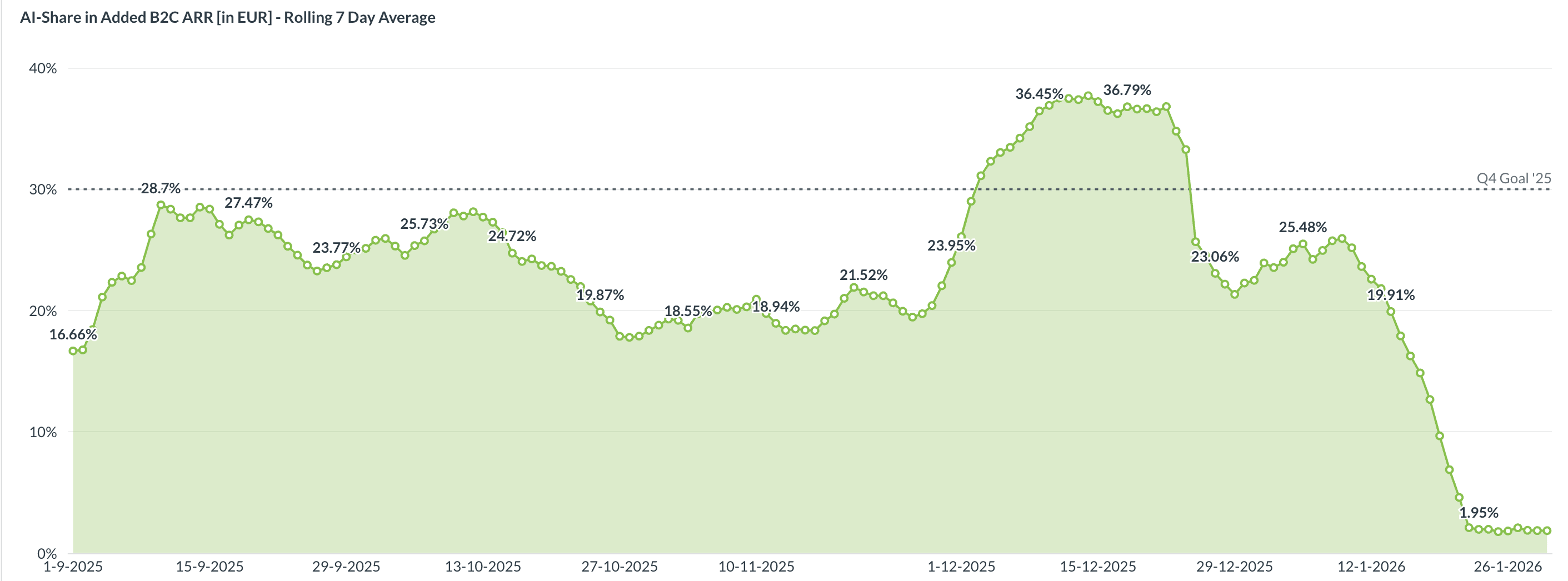
- MRR lift, AI monetization (100% rollout)
- +46%
- Total revenue lift, Pro rebrand
- +31%
- MRR lift, price-anchoring copy
- +14%
- Role
- Product Designer, reporting to the CPO
- Team
- 1 PM, 2 engineers
- Timeline
- 2 quarters
- Methods
- 20+ A/B tests, red-door tests, session recordings
Context
After the Series B, revenue had to catch up with the AI.
Knowunity had just closed a $20M Series B on the strength of its European growth. Our goal for the last quarter of the year was to grow revenue roughly 3x from last year, toward $10M.
Most of that had to come from AI features: the most expensive part of the product to run and, so far, the least monetized.
Problem
Every paywall risked sending students to ChatGPT.
Knowunity had been shipping more AI-heavy features and rebranding around an AI companion for students. We needed real revenue against what the AI was costing, mainly across the big European markets, each with different habits around paying for an app at all.
The real competitors were ChatGPT and Google NotebookLM, already free on most students' phones. Any paywall had to earn the payment without giving students a reason to leave.
Approach
No big swing. A portfolio of small, reversible bets.
Instead of one big swing, I ran small, reversible experiments: cheap to build, fast to read, safe to kill.
They spread across three bets on what students would actually pay for: how Pro looked, which AI feature to charge for, and how the price was framed.
Bet 1 · Pro rebrand
Students had stopped seeing the offer.
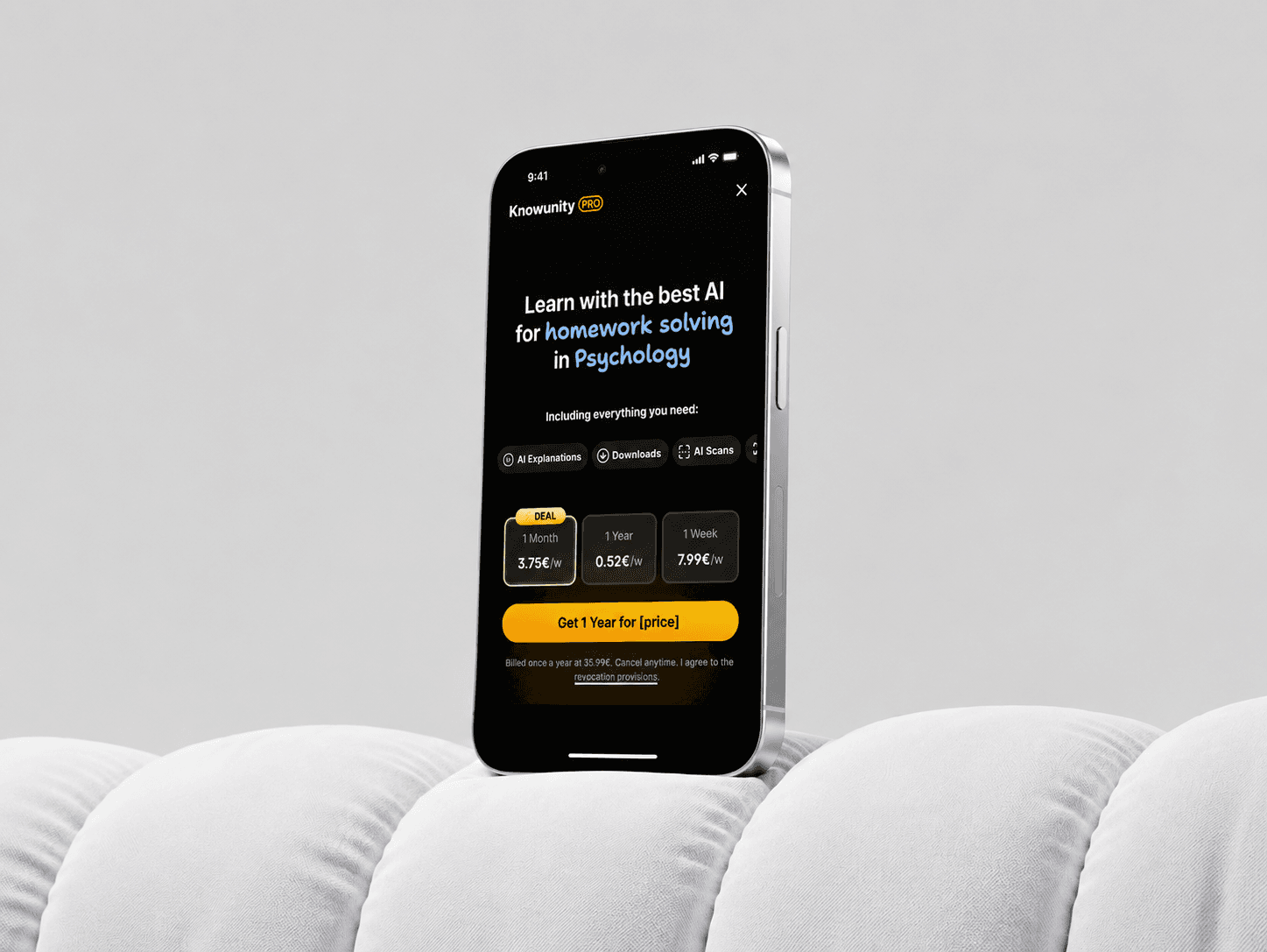
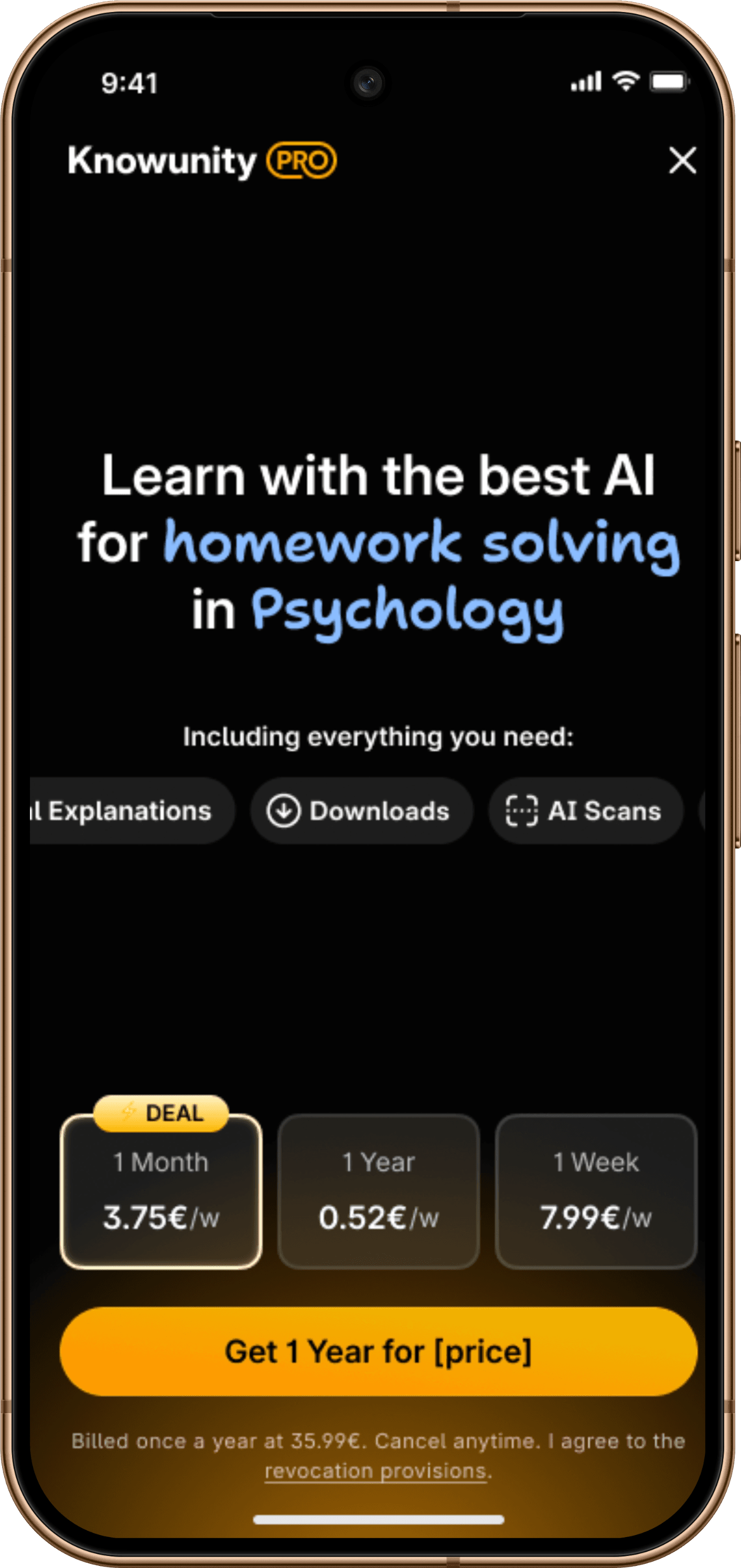
The old branding had accessibility issues. Watching session recordings, my hypothesis was that it contrasted so much with the rest of the app that students had gone blind to it and stopped actually reading the offer.
Rebranding to one consistent, personalized, accessible identity, Pro, gave the offer a real chance to be seen again.
Bet 2 · AI monetization
Find the AI feature worth paying for.
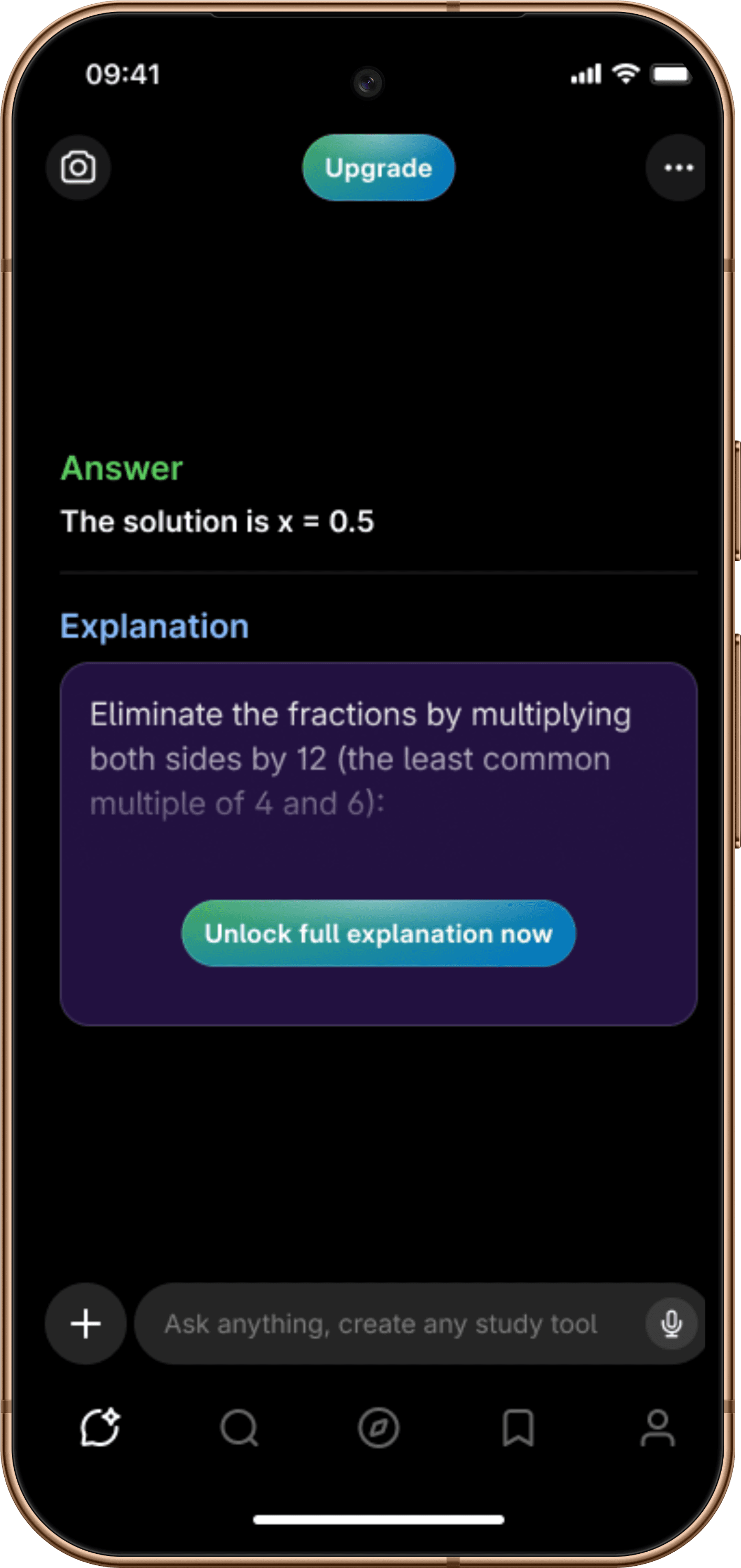
AI features were the priciest part of the product and the least monetized. I red-door tested paywalls across all the AI features, and the A/B results showed attachments had the most potential.
From there, we A/B tested caps on free attachments: no cap vs 5 vs 3.
Bet 3 · Pricing copy
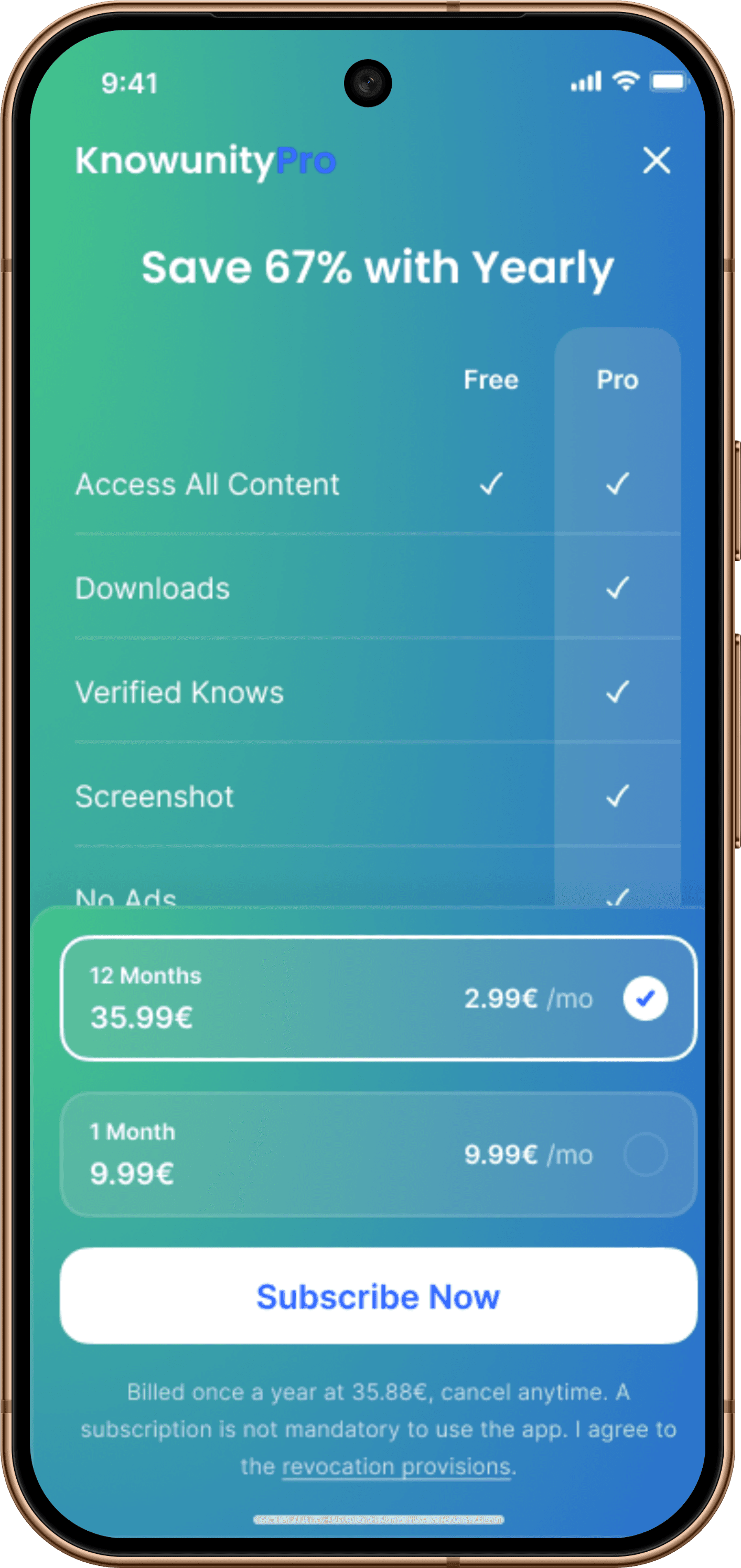
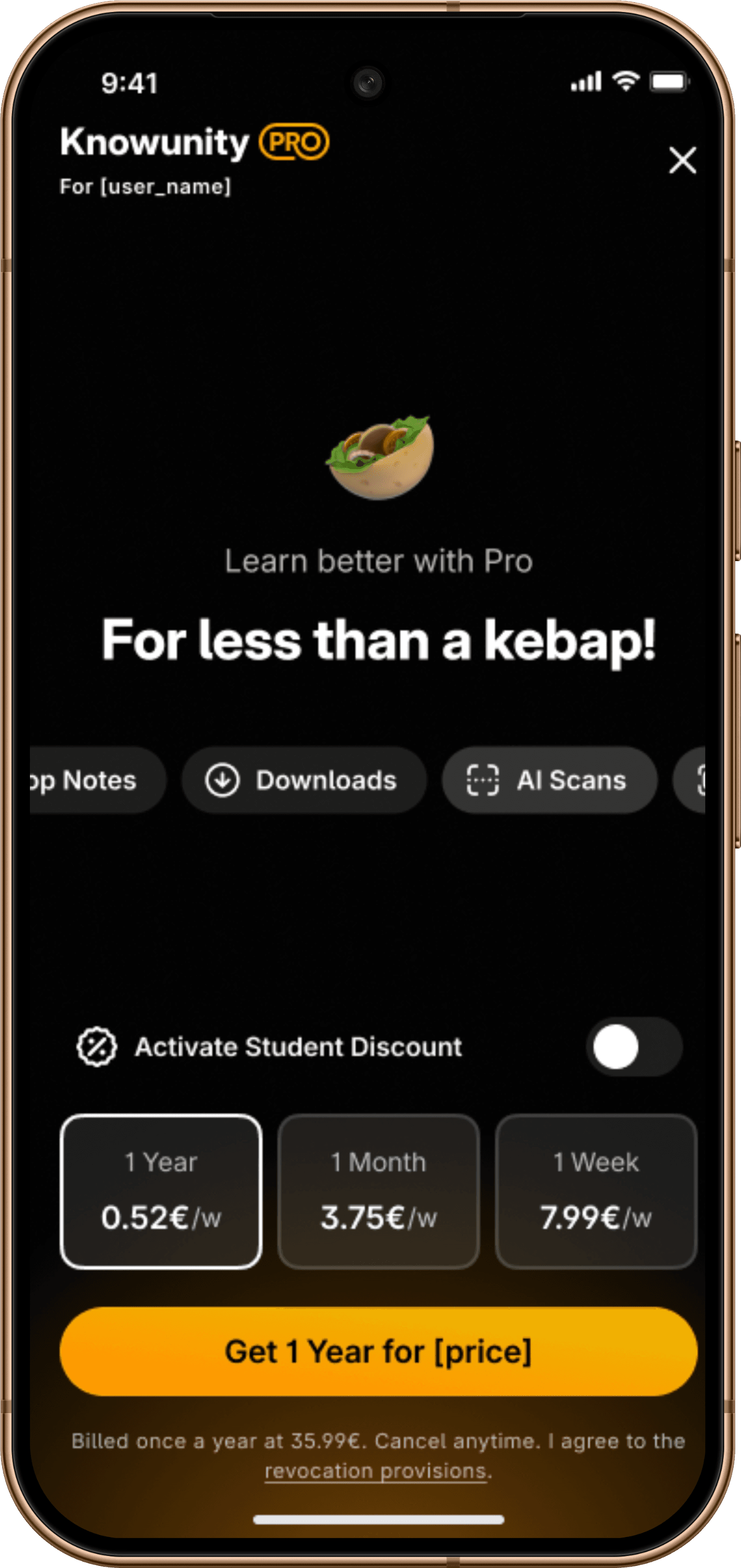
Make the price feel like everyday spending.
Across the big European markets, we tested copy that made the cost of Pro tangible against something students already understood: their everyday spending. It ran only on app open.
Impact
We ran 20+ tests to find the three worth keeping.
Over 2 quarters we ran more than 20 A/B tests, each a different bet on where the revenue could come from: pricing strategies, paywall framings, angles for different markets. These three were the ones that worked.
Others, including a credit-system redesign, persona-specific paywalls and an onboarding capture step, we killed the moment the data came back flat or negative.
“Test small enough that being wrong costs almost nothing, and let the data decide what scales, not the loudest opinion in the room.”